RSS

The Reality Right Now: Why It’s a Great Time to Buy (and a Tougher Time to Sell)

If you’ve been keeping an eye on the real estate market lately, you’ve probably noticed the shift. it’s not quite the same fast-paced, multiple-offer frenzy we saw a year or two ago. The reality is, right now is actually a pretty great time to buy a home… but it’s a tougher time to sell.

Let’s break down why.

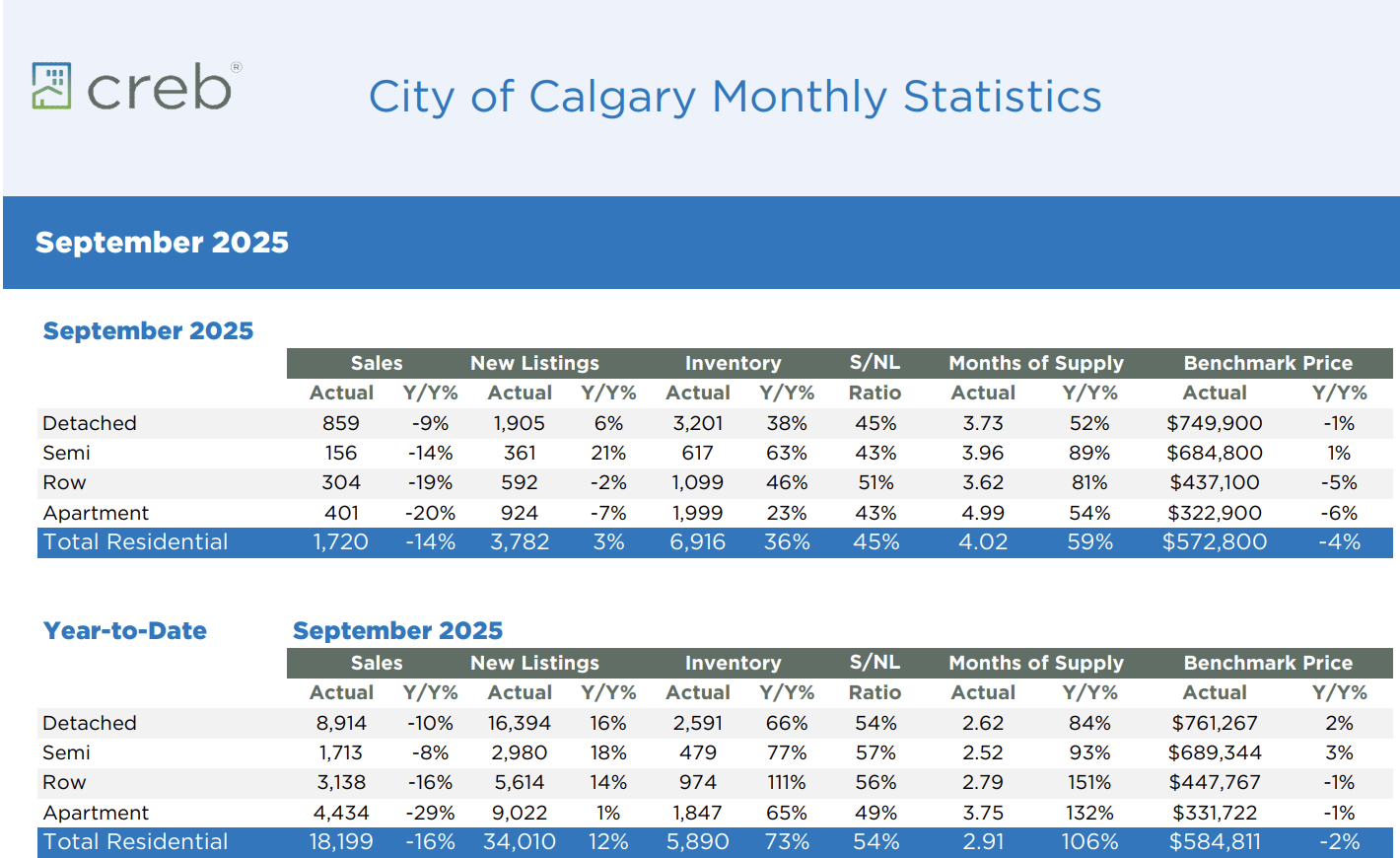
July Numbers - Benchmark Prices:

  • Total Residential: $582,900 (↓ 3.9% YoY)

  • Detached: $761,800 (↓ 0.8% YoY)

  • Semi-Detached: $697,500 (↓ 1.4% YoY)

  • Row: $446,200 (↓ 3.9% YoY)

  • Apartment: $329,600 (↓ 4.8% YoY)

  • Sales: 2,099 (↓ 11.6% YoY)

  • New Listings: 3,911 (↑ 8.5% YoY)

  • Months of Supply: Apartments are sitting at almost 4mo, while detached and semi-detached hover around 2.5-3mo.

Why It’s a Good Time to Buy:

More Choice, Less Pressure
Buyers have a bigger selection of homes to choose from than they did during the ultra-competitive years. That means less “rush to offer” and more time to actually compare, negotiate, and find the right property.

Room to Negotiate
While prices in some areas are holding steady, sellers are more open to negotiating on price, possession dates, and even including extras.

Stabilizing Interest Rates
Rates aren’t at historic lows, but they’re not spiking like they were. Buyers who were waiting for some stability are finally getting it, and there’s also the potential for rate cuts later this year, which could make things even more attractive.

Why It’s Tougher to Sell:

Buyers Have More Power
With more inventory on the market, buyers can afford to be pickier. That means homes that aren’t priced right or don’t show well tend to sit longer.

Longer Days on Market
Gone are the days of selling in 24 hours with five offers. Properties are taking longer to move, which can be stressful for sellers with deadlines or tight timelines. On average the last few months, properties can sit on the market for up to 30+ days.

Price Adjustments Are Common
These days, sellers need to be realistic about pricing right from the start and sometimes that means adjusting downward if the home isn’t getting much traction. I know it’s tough when you remember your neighbour sold last year for $50,000 more over ask, but that was a completely different market than the one we’re in now.

Conclusion:

If you’re buying right now, you have more leverage than you’ve had in years, use it to your advantage. If you’re selling, success comes down to strategy: proper pricing, standout marketing, and making your home look its absolute best.

The market is always moving in cycles. Right now, it’s a buyer-friendly moment, but that can (and will) shift again. The key is to understand where things stand today and make your move accordingly.

Read

Selling Your Home in Today’s Market: When to Lower the Price

If your home’s been sitting on the market with little to no action, it might be time to face a tough reality: the price could be too high and the interest has become to low.

Nobody wants to lower their asking price—but sometimes, it’s exactly what’s needed to get things moving. In today’s market, smart pricing is everything. Knowing when (and how) to make a price adjustment can be the difference between a smooth sale and a listing that just sits there.

So… how long should a home be on the market before you start thinking about a price drop? Let’s break it down.

Selling a Home in Calgary? You’re Still in a Good Spot

If you're looking to sell in Calgary, the good news is you're still in a relatively strong market. We’ve seen steady price growth over the last few years, mostly thanks to high buyer demand, low inventory, and a solid local economy.

That said, the market's always shifting. While there’s still not a ton of inventory, things like interest rate changes, economic uncertainty, and seasonal slowdowns have made things more balanced. For sellers, that just means keeping expectations in check is more important than ever.

Is Your Home Priced to Sell?

One of the most common pitfalls sellers fall into is overpricing.

You might love your home (understandably) and have seen neighbours cash out at big numbers—but the market sets the value, not emotions or past sales. And today’s buyers? They’re savvy. They’ve done their homework, scrolled the listings, and they know what’s worth what.

Pricing your home to sell doesn’t mean giving it away. It means positioning it competitively so it stands out and gets strong interest while still aiming for a great return.

Why Pricing Right Matters—Especially Early On:

The first 30 days on the market are your golden window. That’s when your home gets the most attention—online, in buyer alerts, and from agents looking for new options for their clients.

If your home doesn’t get any showings in the first two weeks—or people come through but don’t make offers—it’s usually a sign that the price isn’t hitting right.

Some sellers try to “test the market” with a high price, thinking buyers will just negotiate. But most of the time, that backfires. Overpriced listings get skipped over, and once a home goes stale, it’s hard to spark new interest—even after a price drop.

The better move? Price it right from the jump. That’s what creates buzz, traffic, and (often) stronger offers.

When Should You Rethink the Price?

If your home isn’t getting much love in the first 2 to 3 weeks, it’s time to take a closer look at the price.

Here’s a simple rule of thumb:

  • No showings in the first week? You’re probably priced too high.

  • Tons of showings but no offers? People are interested, but they’re not seeing enough value at your current price.

In either case, making an early adjustment—ideally within the first month—can give your listing a fresh boost. Done right, it can bring in new interest and even revive attention from buyers who may have passed the first time around.

Dropping the Price Doesn’t Mean Giving Up:

Making a price change doesn’t have to feel like you’re losing. A smart adjustment—backed by showing feedback, recent comparable sales, and good advice—can actually help you get back on track.

With the right timing and strategy, a price reduction can get your home back in front of serious buyers and help you close at a number you’re happy with.

Conclusion:

Calgary is still a strong market for sellers, but smart pricing is everything. If your home’s been sitting without much traction, don’t wait too long to reassess. The sooner you make the right move, the better your chances of attracting serious buyers—and getting the price you’re after.

Thinking about selling? I’d be happy to help. I’ll provide a free home evaluation, walk you through current market trends, and build a personalized strategy to price your home right from day one.

Shoot me a message anytime—let’s make your sale a smooth and successful one.

Read

Mortgages and Pre-Approvals in Canada: What You Need to Know Before You Start House Hunting

Whether you’re buying your first home or your fifth, the mortgage process can feel like a lot to take in. But here’s the thing: getting a mortgage doesn’t have to be complicated—especially if you take the time to get pre-approved before you start shopping.

In this post, let’s break down what mortgages and pre-approvals actually are, how they work and why getting pre-approved is the first move you can make when thinking about real estate.

What’s a Mortgage, Really?

A mortgage is simply a loan from a lender (usually a bank, credit union, or mortgage broker) that helps you buy a home. Most homebuyers need a mortgage unless they’re buying a property outright in cash (which sadly isn’t most of us).

You’ll pay back the loan over time—typically 25 or 30 years—with interest. Your payments will include:

  • Principal: the amount you borrowed

  • Interest: the cost of borrowing that money

  • Property taxes and insurance may be rolled in too, depending on your lender

What Is a Mortgage Pre-Approval?

A mortgage pre-approval is kind of like getting a “green light” from a lender. It means a lender has looked at your finances—like your income, debt, credit score, and savings—and decided how much they’re likely willing to lend you.

You'll typically receive:

  • A maximum purchase price

  • An estimated monthly payment

  • A locked-in interest rate (valid for 3 months)

Important: A pre-approval isn’t a guarantee. But it is a strong indicator of your budget and a big advantage when you’re ready to make an offer.

Why Should You Get Pre-Approved?

Here’s why you don’t want to skip this step:

  1. You’ll know your budget. No guessing. No heartbreak falling in love with a home you can’t afford.

  2. You’ll look serious to sellers. In competitive markets, a pre-approval letter can make your offer stand out.

  3. You’ll spot red flags early. If your credit score or debt level is an issue, it’s better to know upfront so you can make a plan.

  4. You can lock in your rate. If rates are climbing, pre-approval protects you from short-term increases while you shop.

Insured vs. Uninsured Mortgages: What’s the Difference?

This is a key concept most buyers aren’t familiar with—but it can affect your interest rate, the size of your down payment, and even which lenders will work with you.

Insured Mortgages

An insured mortgage means your loan is backed by mortgage default insurance. This type of mortgage is required if:

  • Your down payment is less than 20%

  • You’re buying a home under $1.5 million

The insurance protects the lender (not you) in case you default on the loan. The cost is added to your mortgage and paid off over time.

Pros:

  • Lower interest rates

  • Smaller down payment needed (as low as 5%)

Cons:

  • You pay for mortgage insurance

  • Insurance not available on homes over $1.5M

Uninsured Mortgages

An uninsured mortgage applies when:

  • Your down payment is 20% or more

  • You’re buying a home worth over $1.5 million

  • You’re buying an investment property

These typically come with slightly higher interest rates and stricter qualification rules.

The Mortgage Stress Test: What You Need to Know

Whether your mortgage is insured or not, all borrowers in Canada must pass the mortgage stress test. It’s basically a way for lenders to make sure you could still afford your payments if interest rates were to rise.

Here’s how it works:

Lenders qualify you using the higher of:

  • The Bank of Canada’s benchmark rate (currently 5.25%), or

  • Your actual contract rate plus 2%

So even if your lender offers you a 4.89% mortgage, they’ll check whether you can afford payments at 6.89%.

Why this matters:

  • It affects how much you can borrow

  • It protects you from getting in over your head if rates go up

  • It applies to everyone—not just first-time buyers

This is one of the main reasons people are sometimes pre-approved for less than they expected—so it's important to factor in the stress test when budgeting.

What’s new?

  • You can now switch lenders at renewal without redoing the stress test

  • High debt-to-income borrowers (over 4.5x your income)? OSFI’s (Office of the Superintendent of Financial Institutions) capping how many uninsured loans banks can give out. So you might have fewer options if you’re over-leveraged

What You Need for a Pre-Approval in Canada

Getting pre-approved is usually pretty quick and easy, getting the documents may take some time as you’ll need to provide:

  • Proof of income (pay stubs, T4s, job letter, etc.)

  • Details on your debts and monthly payments

  • Info about your down payment (savings, RRSP, gift from family)

  • Government-issued ID

  • Consent for a credit check

Some lenders offer online pre-approvals that take just minutes. Others might want a phone call or in-person meeting.

Pro Tip: Work With a Mortgage Broker

Mortgage brokers work with multiple lenders and can help you shop for the best rates and terms. They’re especially helpful if:

  • You’re self-employed

  • You’ve had past credit issues

  • You’re a newcomer to Canada

  • You want to compare lenders without doing all the legwork yourself

Best of all? In most cases, their services are free—the lender pays them once your mortgage funds.

Final Thoughts: Don’t Shop Without One

In short: a pre-approval isn’t just helpful—it’s essential in today’s market. It gives you clarity, confidence, and a competitive edge when it’s time to write an offer.

And understanding the difference between insured vs. uninsured mortgages—and how the stress test affects your approval—is key to avoiding surprises down the line.

If you need a solid mortgage broker to walk you through the process or help get you pre-approved, I can recommend my preferred mortgage broker to help get you started!

Read

What Upgrades Actually Matter When Selling Your Home?

When it comes time to sell your home, it’s natural to start thinking about renovations or upgrades. Maybe a new kitchen backsplash? Refinished floors? A full bathroom reno? But before you start swinging the hammer, it’s worth understanding that not all upgrades are created equal—especially when it comes to your return on investment (ROI).

Some renovations help generate more interest and make your listing pop online, while others can actually raise your home's market value. The sweet spot? Doing just enough to get buyers in the door and maximize your selling price.

Let’s break down the difference:

Upgrades That Attract Interest (But May Not Add Big Value)

These are the “wow” factors—the updates that photograph well and get buyers excited enough to book a showing. They may not drastically change your home’s appraised value, but they’re often the difference between multiple offers vs. sitting on the market.

1.     Fresh Paint (Especially in Neutral Tones)

  • Cost-effective and makes the space feel clean and move-in ready.

  • Doesn’t technically raise the appraised value but makes a great first impression.

2.     Light Fixtures & Hardware

  • Swapping out dated lights, cabinet handles, and faucets modernizes a space instantly.

  • These small touches help listings stand out online.

3.     Landscaping & Curb Appeal

  • A tidy yard, trimmed hedges, and even a few planters can make buyers feel good before they step inside.

  • Great for attracting foot traffic—first impressions matter.

4.     Minor Kitchen/Bath Updates

  • Think: new faucet, cabinet paint, updated lighting.

  • Full renos may not pay off, but refreshing these key rooms can go a long way.

Upgrades That Add Market Value

These are the upgrades that appraisers, inspectors, and savvy buyers look for—and are often willing to pay a premium for.

1.     Roof, Windows, and Furnace (Big Ticket Items)

  • These aren’t glamorous, but they show the home is well-maintained.

  • Buyers often factor the cost of replacement into their offer, so doing them ahead can protect your price.

2.     Kitchen & Bathroom Remodels (To a Point)

  • Full remodels can boost value—but beware of over-improving for your area.

  • The best ROI comes from mid-range updates that modernize without breaking the bank.

3.     Basement Development (If Unfinished)

  • Adding livable square footage usually equals added value, especially in family-friendly areas.

  • Make sure it’s done with permits and proper egress windows to count as legal space.

4.     Energy Efficiency Upgrades

  • Think: upgraded insulation, new hot water tank, smart thermostat.

  • Increasingly appealing to buyers—especially in colder climates—and can impact value.

Conclusion:

Before you invest in any major work, ask yourself:

“Will this help my home sell faster?”

“Will it increase the sale price?”

“Or both?”

If you're not sure, talk to a Real Estate Agent (👋 hi there!). A quick walkthrough can help prioritize what’s worth doing—and what’s best left alone. Sometimes, the best move is not renovating at all, especially in a hot market where homes are selling as-is.

Read

Why Home Inspections Matter When Buying a Home: New Or Old

When you're in the process of buying a home, there's one condition that should almost never be skipped (when the choice is there)—the home inspection. It might not be the most exciting part of the journey, but it’s one of the most important. A home inspection helps protect your investment and gives you the clarity and confidence you need before moving forward with a purchase.

So why is it necessary, and what’s the real purpose of a home inspection?

What Is a Home Inspection?

A home inspection is a thorough assessment of the property's condition, typically performed by a certified home inspector. They examine the home’s major systems—roof, plumbing, electrical, heating, foundation, structure, insulation, and more—to identify any existing or potential issues.

This inspection typically happens during the conditional period of a purchase contract. That means the deal is in motion, but certain conditions (like financing, condo document review, and the home inspection) still need to be satisfied before the sale becomes firm.

Why Are Home Inspections Necessary?

Here’s what a home inspection does for you:

  1. Uncovers Hidden Problems: A home might look great on the surface, but an inspector can reveal issues that aren’t visible to the untrained eye—like moisture in the basement, old wiring, unsafe decks, or a roof near the end of its lifespan.

  2. Gives You Negotiating Power: If the inspection turns up concerns, you can negotiate repairs or a price reduction, or in some cases, walk away entirely. It gives you leverage—and options.

  3. Provides Peace of Mind: Whether the inspection reveals serious concerns or a clean bill of health, it helps buyers feel confident about the property they’re buying. This is your chance to learn what you’re walking into.

  4. Protects Your Investment: Buying a home is one of the biggest financial decisions you’ll ever make. An inspection helps you make sure you’re investing wisely, not walking into a money pit.

What About New Builds? Do You Still Need an Inspection?

Absolutely. Even though everything is brand new, mistakes can happen—poor workmanship, rushed timelines, or overlooked safety concerns can all appear in new construction homes. Just because it’s new doesn’t mean it’s perfect.

If you're buying a brand new home, it’s strongly recommended to conduct a home inspection prior to possession—and even better, consider doing phase inspections during the build process if your builder allows it.

What Are Phase Inspections? These smaller detailed inspections are completed at various stages of the construction process, such as:

  • Foundation inspection – before the concrete is poured

  • Framing inspection – before drywall goes up

  • Pre-drywall inspection – to review plumbing, wiring, insulation, and framing

  • Final inspection – once construction is complete, just before possession

These inspections should be agreed upon in writing between the buyer and the builder, typically at the time of contract. Not all builders allow them, but if yours does—it’s a fantastic way to catch issues early and avoid costly repairs after move-in.

Extra Costs to Know About:

Most home inspectors charge a flat rate for their base inspection, typically ranging from $400–$600, depending on the size and age of the home. However, there are optional add-ons you may want to consider depending on the property.

Be ready for these potential extras that aren't usually covered in the basic price:

  • Radon testing: $150–$300

  • Sewer scope inspection: $250–$350

  • Mould inspection: $250–$500

  • Thermal imaging: $100–$200

These services dig deeper into hidden risks and can be especially helpful in older homes or if you suspect a specific problem. Don’t pick the cheapest inspector just to save money. A thorough inspection might cost a little more upfront, but it could save you thousands by catching issues a cheaper inspection might miss.

What Happens After the Inspection?

Once the inspector provides their report, you and your agent can discuss the findings. You might decide to:

  • Move forward and waive the condition

  • Request repairs or credits

  • Renegotiate the price

  • Or, if the issues are too big to take on, walk away

With new homes, the final inspection can also help create your pre-possession deficiency list for the builder to address.

Conclusion:

A home inspection is not just a formality—it's your opportunity to dig beneath the surface and ensure the home is safe, sound, and worth the price. Whether it’s a decades-old character home or a brand-new build, a proper inspection offers protection and peace of mind.

Don’t skip it. Don’t rush it. Take the time to get it done right—your future self will thank you.

Read

5 Things you Need to Do When Selling Your Home In the Current Market!

Selling a home in a red-hot seller’s market can feel like a breeze—homes get snapped up in days, sometimes with multiple offers and over-asking prices. But when the market shifts into a buyer’s market or even a balanced one, it’s a whole different game. Buyers have more options, more time, and more leverage. So, if you're planning to sell in this type of market, you've got to bring your A-game.

Here are 5 must-do’s to make sure your home stands out and sells for top dollar—even when buyers hold most o the cards.

1. Clean and Prep Your Home Like It’s Going on a First Date

First impressions matter. You want buyers to walk in and feel like this could be the one. A deep clean is a non-negotiable—windows, baseboards, carpets, and everything in between. Go one step further with staging: declutter, depersonalize, and create an inviting space that lets buyers picture themselves living there. A fresh coat of neutral paint and some minor decor touches can work wonders.

Think “showroom,” not “lived-in.”

2. Tackle the Small Repairs You’ve Been Putting Off

In a market where buyers have choices, even the tiniest flaws can raise red flags. That dripping faucet, loose doorknob, cracked tile, or sticky sliding door might seem small—but they suggest the home hasn’t been maintained.

Fix what you can before listing. It shows pride of ownership and removes any excuses a buyer might have to negotiate down the price.

3. Be Flexible with Showings and Buyer Schedules

Your home is now a product—and that means making it easy for buyers to see it. Limiting showing times or declining appointments can quickly push serious buyers to the next listing.

If you can, allow for short notice showings and keep the home clean and “show-ready” at all times. The more eyes on your home, the better your odds of getting a strong offer.

4. Get Professional Marketing Done—No Cell Phone Pics Allowed

This is where your realtor should shine. Professional photography, virtual tours, floor plans, social media exposure, and quality listing write-ups are critical.

Buyers do their research online before even stepping foot in a home. Great marketing helps your listing stand out from the rest and creates more demand before anyone walks through the door.

5. Hire the Right Realtor (The One Who Actually Does the Work)

Not all agents are created equal—especially in a market where homes aren’t selling themselves. You need someone who will hustle, market your home like a business, communicate clearly, and guide you with strategy (not guesswork).

Ask potential agents:

  • What’s your marketing plan?

  • How will you price my home competitively?

  • How often will I hear from you?

  • How will you handle feedback and negotiations?

A great realtor doesn’t just list your home. They sell it.

Conclusion:

Selling in a buyer or balanced market requires more than just putting a “For Sale” sign on the lawn. It takes prep, strategy, flexibility, and the right realtor behind you. But with the right approach, you can absolutely sell your home successfully—and for a price you’re happy with.

Thinking about selling and not sure where to start? I’d be happy to chat—no pressure, just good advice.

Read

5 Reasons You Should Use a Realtor When Buying a New Construction Home

When you're walking through a beautifully staged show home, it's easy to get swept up in the excitement. New builds are shiny, modern, and full of possibilities—but behind the polished countertops and upgraded fixtures is a real estate transaction that deserves just as much due diligence as buying a resale home.

Many buyers assume they don't need a Realtor when purchasing new construction, especially when there's a friendly sales rep already on-site. But here's the thing: that show home rep works for the builder, not you.

If you're thinking about buying a brand-new home, here are 5 solid reasons why having your own Realtor is a smart move:

1. Your Realtor Works for You, Not the Builder:

The builder’s sales team is there to represent the builder’s best interests. They’re knowledgeable about the product, sure—but they’re not there to give you unbiased advice. A Realtor, on the other hand, is your advocate. They’ll walk you through the process, ensure your concerns are heard, and make sure you’re not agreeing to anything that doesn’t serve your best interests.

2. Expert Help with Negotiations & Contracts:

Many buyers don’t realize that even with new construction, there’s often room to negotiate—whether it’s on the price, included upgrades, appliance packages, or other potential inclusions. A Realtor can help you understand what’s standard vs. optional, review the fine print in the builder’s contract (which can be overwhelming when it’s never been done before), and negotiate on your behalf.

3. Guidance on Timing, Financing & Resale Potential:

New builds can come with unique timelines and financial considerations. A good Realtor will guide you through deposit structures, financing deadlines, and help you avoid any hidden costs that might not be obvious in the showroom. They’ll also give you honest insight into how your new home may perform in the resale market down the road.

4. Knowledge of Builder Reputation & Lot Selection:

Not all builders are created equal. Your Realtor likely knows which builders have a solid reputation—and which ones have a history of construction delays, post-possession issues, or warranty problems. They can also help you choose a lot or floor plan that offers better long-term value, rather than just what’s most convenient for the builder to sell.

5. It Doesn’t Cost You Anything:

Here’s the best part: using a Realtor for your new build purchase costs you nothing! The builder pays the Realtor’s commission—not you. So you get professional representation, contract guidance, and peace of mind at no extra cost.

Conclusion:

Buying a brand-new home is exciting—but it’s still a major financial decision. Having a Realtor by your side means you’re not navigating it alone or relying solely on someone who works for the other side of the table.

If you're thinking about buying a new construction home in Calgary or the surrounding areas, I'd be happy to help you explore your options, understand your rights, and make the most informed decision possible. Just reach out—no pressure, just honest advice.

Read

Why the Right Agent Is the Key to Success

Buying or selling a home is one of the biggest financial and emotional decisions you'll ever make. In a fast-paced market, having the right real estate agent by your side can make all the difference. From helping buyers avoid costly mistakes to ensuring sellers get top dollar, a great agent brings strategy, insight, and peace of mind to the entire process.

For Buyers: Local Knowledge That Goes Beyond Listings:

A great buyer’s agent offers more than just access to homes—they bring deep knowledge of Calgary’s communities, amenities, development plans, and market trends. Their insight helps you find not just the right property, but the right location to suit your lifestyle, budget, and both short- and long-term goals.

For Sellers: Market Insight That Maximizes Your Value:

When selling, timing, pricing, and presentation are everything. An experienced listing agent understands current market trends and conditions to position your home to attract the highest level of attention. They know how to create a strong marketing plan, stage your home effectively, and set a strategic price that draws interest while protecting your bottom line.

Skilled Negotiation:

Whether you’re buying or selling, negotiation plays a critical role. A skilled agent can help buyers win in competitive situations and help sellers navigate offers to maximize price and minimize conditions. Their job is to advocate for you—whether it’s pushing for the best deal or ensuring your sale closes smoothly and on time.

Clear Communication, Every Step of the Way:

Real estate transactions can be overwhelming, but a professional agent keeps you informed and confident. From offer to closing, they should provide consistent updates, answer questions clearly, and guide you through the details—so you’re never left wondering what’s next.

An Agent Who Prioritizes You:

The right agent takes the time to understand your goals—whether you're searching for a new home or preparing to sell one. They listen, offer honest advice, and focus on what matters most to you, from walkability and lifestyle fit to profit potential and future resale value.

Conclusion:

In a market as dynamic as Calgary’s, real estate success isn’t left to chance—it comes from working with someone who truly understands the market, listens to your needs, and puts your best interests first. Whether you’re buying your first home, upgrading, or selling your current property, partnering with the right agent who aligns with your goals is one of the smartest decisions you can make.

But beyond experience and knowledge, the right fit matters too. You’ll be spending a lot of time together, making big decisions—so it’s important to choose someone you genuinely connect with, feel comfortable around, and enjoy working with. Real estate is a relationship business, and that connection can make the process feel less stressful and a whole lot more enjoyable.

With over 8,500 REALTORS® in the city, you don’t have to settle for just anyone. Find someone who not only knows the market, but feels like the right partner for your journey.

Read

5 Things You Need to Know Before Purchasing For the First Time Home Buyers

Buying your first home is an exciting milestone—but let’s be honest, it can also feel a bit overwhelming. From navigating mortgage options to picking the right neighbourhood, there’s a lot to consider. The good news? Knowing what to expect will help you feel more confident and avoid common (and costly) mistakes.

Whether you're looking for an affordable starter home or exploring first-time buyer incentives, here are five key things to know before buying your first home in Calgary:

1. Get Pre-Approved for a Mortgage Before You Start Looking:

One of the most common mistakes first-time buyers make is falling in love with a home before understanding what they can realistically afford. Getting pre-approved for a mortgage gives you:

  • A clear idea of your price range based on income, debts, and credit score

  • More credibility with sellers (especially in a competitive market)

  • The ability to lock in a mortgage rate and protect yourself from future increases

How to Get Pre-Approved:

  • Meet with a mortgage specialist or broker to review your finances

  • Provide income verification, debt history, and credit score details

  • Compare different mortgage products to find the best fit for your needs

This step saves time and sets a solid foundation for your home search.

2. Budget for More Than Just Your Down Payment:

While saving for a down payment is important, it’s only part of the financial puzzle. There are several additional costs to factor in:

Other Expenses to Expect:

  • Closing Costs: Legal fees, title insurance, land transfer taxes, and inspections

  • Property Taxes & Home Insurance

  • Utilities & Moving Costs

  • Condo Fees (if applicable)

  • Maintenance & Repairs

A good rule of thumb is to set aside an extra 1–3% of the home’s purchase price for unexpected costs. Being financially prepared makes homeownership much more manageable.

3. Look Into First-Time Homebuyer Incentives:

There are several programs designed to make buying your first home a little easier:

  • First-Time Home Buyer Incentive: A federal program that offers a shared-equity loan to help lower monthly payments

  • Home Buyers’ Plan (HBP): Withdraw up to $35,000 from your RRSP to use toward your down payment

  • First-Time Home Buyers’ Tax Credit (HBTC): A non-refundable tax credit to help with closing costs

Taking advantage of these incentives can reduce your upfront costs and make your first home more affordable.

4. Choose the Right Neighbourhood:

The home matters—but so does the community around it. Think about your lifestyle and what kind of neighbourhood will support it.

Factors to Consider:

  • Affordability: Are prices in the area within your range?

  • Commute: Is it close to work, public transit, or major roads?

  • Amenities: Are there parks, schools, shops, or restaurants nearby?

  • Future Growth: Is the area developing? Will your investment grow in value?

  • Popular Calgary Neighbourhoods for First-Time Buyers:

Exploring neighbourhoods that match your goals will help you find a home you’ll love long-term.

5. Work With a Realtor Who Knows the Calgary Market:

Buying your first home comes with a learning curve, and working with a knowledgeable realtor can make the process much smoother.

What a Realtor Brings to the Table:

  • Market Insights: Understand current trends and property values in Calgary

  • Negotiation Skills: Get the best possible deal and terms on your purchase

  • Early Access: Find out about listings before they hit the public market

  • Support Through the Process: From paperwork to possession day, you’ll have someone in your corner

An experienced real estate professional helps take the stress out of buying and ensures you make informed decisions at every step.

Conclusion:

Buying your first home in Calgary is a major milestone, and being prepared can make the process much smoother. Start by getting pre-approved for a mortgage to understand your budget and strengthen your offers. Don’t forget to budget beyond the down payment—closing costs, taxes, insurance, and maintenance can add up quickly. Take advantage of first-time buyer incentives like the First-Time Home Buyer Incentive, RRSP Home Buyers’ Plan, and tax credits to reduce upfront costs. When choosing a home, consider the neighbourhood—look at affordability, commute, amenities, and long-term value.

Finally, work with an experienced realtor who can guide you through the process, help you find the right fit, and negotiate the best deal.

Read

What You Should Know About Homes & Apartment Buildings Built in the 90s

When you’re shopping around for a home or apartment—especially in areas with a lot of older housing stock—properties built in the 1990s often strike a balance between “not too old” and “not quite modern.” But like anything with a few decades behind it, there are things you’ll want to look out for. The 90s had their fair share of design trends, materials, and construction methods—some that aged well, and others… not so much.

Here’s a quick rundown of what to know when considering a 90s-built home or apartment.

1. Poly-B Plumbing (Polybutylene)

Ah yes, Poly-B—the infamous grey pipes hiding behind many 90s walls.

What is it?
Poly-B (short for polybutylene) was a popular plumbing material used from the late 70s through the mid-90s. It was affordable and easy to install—but not very durable long-term.

Why it matters:
Over time, Poly-B becomes brittle and prone to cracking or leaking, especially when exposed to chlorine in municipal water. While it might still be functioning in some homes, insurance companies are increasingly wary of it—some won’t insure homes with active Poly-B piping without replacement.

What to look for:
Check under sinks or around the water heater for gray plastic piping. If you’re not sure, get a licensed plumber or home inspector to confirm.

Pro tip:
Replacing Poly-B with PEX or copper can cost a few thousand dollars but adds serious value (and peace of mind).

2. Post-Tension Cables

Most common in apartment buildings and some townhomes/condos with concrete slabs.

What is it?
Post-tension cables are steel cables inside concrete slabs that are tightened after the concrete is poured. They add strength to thinner slabs and are a key part of the structure in many 90s buildings.

Why it matters:
Drilling or cutting into a post-tension slab without the right equipment or permits is a major no-no—it can be dangerous and extremely expensive to fix if something goes wrong.

What to look for:
Most condos or apartments with post-tension will have a warning stamped on the electrical panel or inside a utility room. The MLS and condo documents will state if the building has post-tension.

Pro tip:
If you plan any renos that involve the floors (like adding plumbing, drilling into concrete, etc.), make sure you get the green light from an engineer or building authority.

3. Copper Piping

Now for something a bit more reassuring.

What is it?
Copper piping has been a gold standard in plumbing for decades. Many 90s homes feature copper, especially toward the later part of the decade as Poly-B fell out of favor.

Why it matters:
Copper is durable, long-lasting, and usually well-regarded by home inspectors. It’s also more resistant to bacteria compared to plastic piping.

What to look for:
Shiny (or sometimes greenish) metal pipes under sinks or around water tanks are a good sign you’ve got copper. It’s especially common in higher-end 90s builds.

Pro tip:
Still, check for corrosion or signs of pinhole leaks—especially if the water has a high mineral content. Water softeners can help extend the life of copper pipes.

4. Aluminum Wiring

This one’s a bit trickier, though less common in 90s homes. Aluminum wiring peaked in the 60s and 70s, but in rare cases, leftover supplies were used into the early 80s or even trickled into some early 90s builds in certain regions.

What is it?
Aluminum wiring was used as a cheaper alternative to copper for a while. The issue is, it expands and contracts more than copper, which can lead to loose connections, overheating, or even fire hazards.

Why it matters:
Insurance companies often flag aluminum wiring. If it hasn’t been updated or maintained properly (through a method called "pigtailing" with copper at outlets), it can be a costly and safety-sensitive fix.

What to look for:
Have an electrician check if you're unsure—it’s not always visible without removing outlet covers. A home inspection report should catch it, too.

Pro tip:
If aluminum is confirmed, ask about mitigation work (like pigtailing or full rewiring) and factor that into your budget.

5. Preserved Wood Foundations (PWF)

This one throws a lot of people off—yes, some homes are built on wooden foundations!

What is it?
A Preserved Wood Foundation (PWF) is a type of foundation system made from pressure-treated lumber, designed to resist moisture and rot. It’s been around since the 60s but became more common in prairie provinces during the 80s and 90s as a cost-effective alternative to concrete.

Why it matters:
PWFs can perform well when installed properly—but they require flawless drainage and waterproofing. If moisture builds up or grading isn’t right, the foundation can start to rot, shift, or cause major structural issues. Some buyers (and even some lenders) can be hesitant about PWFs due to longevity concerns.

What to look for:
Check the listing or ask your home inspector if the foundation is wood or concrete. If it’s a PWF, make sure there’s documentation showing it was engineered and properly permitted at the time of build.

Pro tip:
Homes with wood foundations can still be great, but make sure to get a thorough inspection and look at drainage around the home. Also, talk to your mortgage broker ahead of time—some lenders want extra due diligence before approving financing on PWF properties.

Conclusion:

Homes and apartments from the 90s can offer great layouts, mature neighborhoods, and solid construction—but they do come with quirks. A thorough home inspection (and sometimes a plumbing, electrical, or structural specialist) can save you from unexpected costs or safety issues down the road.

That said—none of this is meant to scare you away from homeownership. It’s just about being informed. The more you know going in, the better decisions you can make.

It’s also worth remembering that at one point or another, everything listed above was considered “up to code.” Like most things in life, building practices and safety standards evolve. What was standard in the 90s may not meet today’s expectations—but that doesn’t mean the home isn’t livable or worth buying. It just means you may need to budget for updates or keep an eye on specific systems.

One thing that is crucial? Getting the right home insurance. Many insurers will ask about things like Poly-B plumbing, aluminum wiring, or wood foundations—and in some cases, may charge more or even deny coverage without upgrades or mitigation in place. Knowing what’s in the walls (and under the floors) helps you avoid surprises after you move in.

Whether you’re buying to live in, rent out, or flip, understanding what’s behind the walls is just as important as what’s in the listing photos.

Want help navigating older homes in your area or have questions about what to look for? Feel free to reach out, I’m always happy to help break things down.

Read

Breaking News - GST Relief for FTHB on New Homes

If you're a first-time home buyer in Canada, there's some exciting news you’ll want to hear, especially if you’ve been thinking about buying a brand-new home. As of May 27, 2025, the federal government has introduced a new GST rebate designed specifically for first-time buyers. The goal? To make it easier and significantly more affordable to enter the housing market.

So, what exactly does this mean for you?

In this blog, we’ll break down who’s eligible, what the limitations are, and why this rebate is a game-changer for anyone considering a new build as their first home.

So, What’s the Deal?

Under this new incentive, first-time home buyers can now get 100% of the GST back on new homes valued up to $1 million. That could mean savings of up to $50,000, a massive relief at a time when housing affordability is top of mind for many Canadians.

For homes priced between $1 million and $1.5 million, the rebate is gradually reduced. For example, if you buy a new home for $1.25 million, you’d still be eligible for a 50% GST rebate, a potential $25,000 in savings. Once the price hits $1.5 million or more, the rebate phases out entirely.

Who’s Eligible?

Simple. To qualify, you must:

  • Be 18 or older

  • Be a Canadian citizen or permanent resident

  • Not have owned a home (or lived in one owned by your spouse or partner) in the current or past four calendar years

  • The rebate applies to:

  • New homes purchased from a builder

  • Owner-built homes

  • Shares in a co-operative housing corporation

There are a few time-sensitive details: The purchase agreement must be signed on or after May 27, 2025 and before 2031, and construction needs to be substantially complete by 2036.

Why This Is a Big Win for First-Time Buyers:

Let’s face it, coming up with a down payment, covering closing costs, and paying GST on top of everything else can be overwhelming. This rebate helps ease the financial pressure and puts more money back into your pocket right when you need it most.

But beyond the immediate savings, this program also makes new construction more appealing. Traditionally, new builds come with a higher price tag than resale homes, but they also offer better energy efficiency, fewer maintenance issues, and modern layouts. With this rebate, new homes become a much more viable option for first-time buyers.

Plus, it’s a long-term investment. Getting into a brand-new home not only gives you a fresh start, it also means fewer surprise repair costs down the road, a builder’s warranty, and the chance to build equity right away.

Conclusion:

This new GST rebate is a smart, well-timed incentive that lowers the barrier to homeownership and encourages more people to consider new builds, whether you're buying from a builder, building your own, or joining a co-op. If you're a first-time home buyer ready to take the leap, this could be your moment.

Want to know how much you could save? Let’s crunch the numbers together or talk through whether a new build is the right move for you. This opportunity could mean the difference between waiting and finally owning your first home.

Read

5 DIY Tips That Won’t Break the Bank Before Selling your Home

In Calgary’s fast-paced real estate market, presentation is everything. Great staging doesn’t just make a home look nice, it helps it sell faster and often for more money. So whether you’re listing a downtown condo or a classic estate home, showing your home at its best can make all the difference.

The good news? You don’t need to spend a fortune to make an impact. With a few smart, do-it-yourself touches, you can highlight your home’s best features and help buyers picture themselves living there. Here are five practical, affordable staging tips that will help your home stand out from the competition.

1. Declutter and remove Personal Touches

Before anything else, simplify your space. Decluttering and depersonalizing are essential first steps. Buyers want to imagine their own lives unfolding in your home, not get distracted by family photos, collections, or knick-knacks.

Start with one room at a time to keep the process manageable. Aim for clean surfaces, tidy shelves, and a minimalist look that lets the space speak for itself. In Calgary’s competitive housing market, a clean and open home gives buyers the mental space to dream.

2. Let the Light In!

Good lighting can instantly brighten a space and make it feel more inviting. Open up blinds and curtains to maximize natural light, give windows a good cleaning, and replace heavy drapes with something light and airy.

Still feeling dim? Add a mirror to reflect light or swap in warm-toned LED bulbs for a cozy glow. Bright spaces not only feel bigger, they feel better, and that emotional pull can help seal the deal with buyers.

3. Make a Strong First Impression with Curb Appeal

First impressions start before buyers even step inside. A tidy yard, trimmed shrubs, and a pop of greenery in planters can create a welcoming vibe.

Don’t forget the little details, a fresh coat of paint on the front door, clean house numbers, and a new doormat can go a long way. We often remind sellers that the exterior sets the tone. A polished, cared-for entry makes buyers feel good walking in.

4. Arrange Furniture for Flow and Function

Furniture placement can make or break a room. Too much furniture or furniture in the wrong spot can make a home feel cramped or awkward.

Try removing oversized or unnecessary pieces, then rearrange the rest to create open pathways and define functional areas. Think conversation zones in the living room or a cozy reading corner in the bedroom. Even smaller homes in Calgary can feel spacious and practical with the right layout.

5. Add Thoughtful, Neutral Touches

The little things can have a big impact. Layer in a few finishing touches like throw pillows, fresh towels, simple artwork, or a bowl of fruit on the kitchen counter.

Stick with neutral tones and natural textures, they appeal to a wide range of buyers. And don’t underestimate the power of scent: light citrus or lavender can add a subtle, inviting feel. These touches help create an emotional connection that buyers remember.

Conclusion:

The key to selling your home is to make it memorable and to stand out amongst its competitors, and staging doesn’t have to mean big spending. By focusing on these five key areas—decluttering, lighting, curb appeal, layout, and finishing touches—you can create a space that feels fresh, welcoming, and ready for its next chapter.

So if you’re thinking of selling, reach out. Let’s make your home have a lasting impression.

Read
Data is supplied by Pillar 9™ MLS® System. Pillar 9™ is the owner of the copyright in its MLS®System. Data is deemed reliable but is not guaranteed accurate by Pillar 9™.
The trademarks MLS®, Multiple Listing Service® and the associated logos are owned by The Canadian Real Estate Association (CREA) and identify the quality of services provided by real estate professionals who are members of CREA. Used under license.